

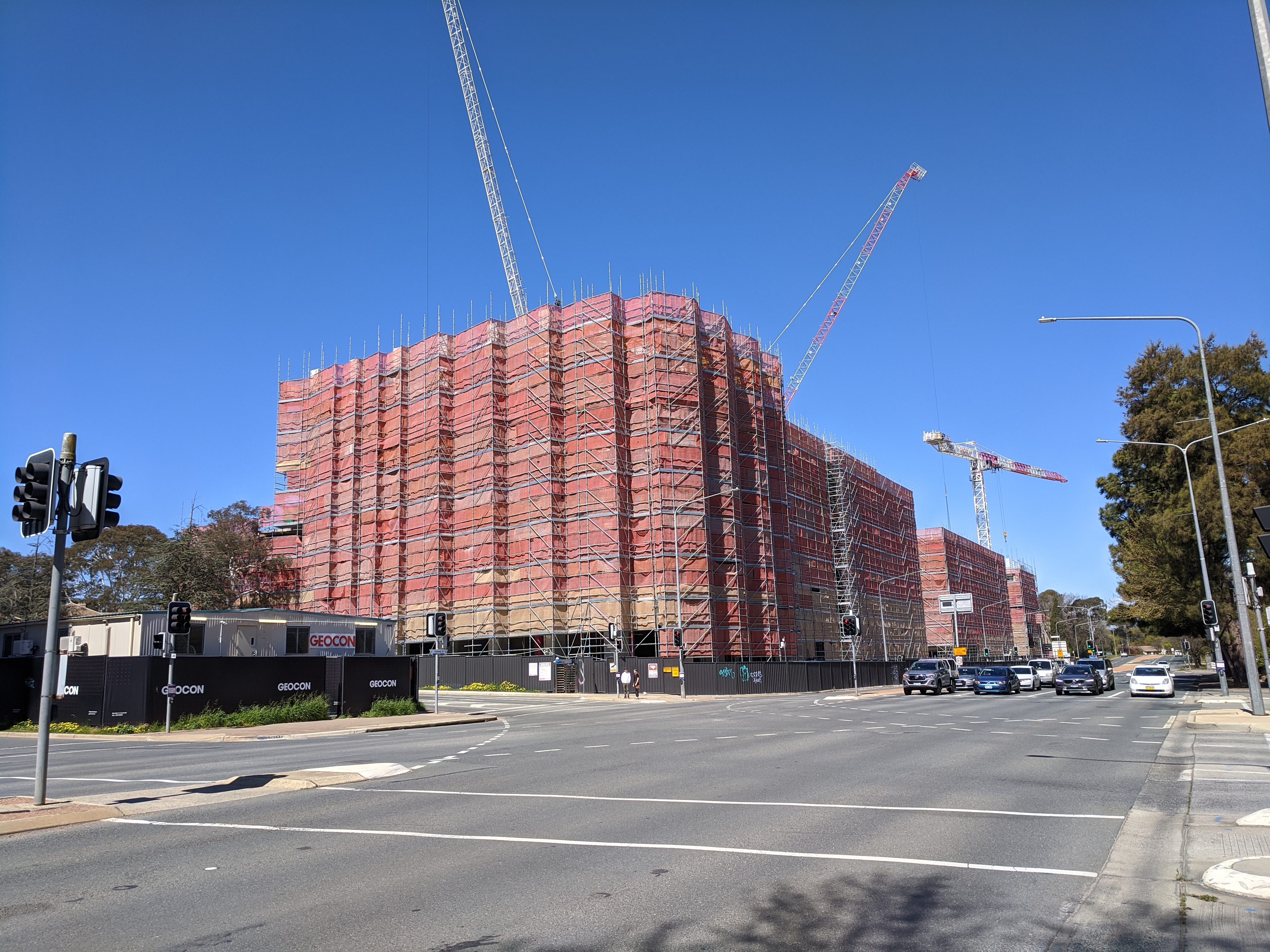
Victoria’s Train and Tram Zone Activity Centres Program is changing the development conversation around well-connected Melbourne suburbs. The state says plans are in place for 35 centres and the full 60-centre program is intended to encourage more than 300,000 homes by 2051.
Start with the exact parcel
Do not buy the headline. Check the zone, overlays, built-form controls, heritage settings and the property’s position inside or outside the mapped catchment. Two sites on the same street can have very different development potential.
Look for practical advantage
- Walkable access to rail, tram, shops and daily services.
- A regular lot shape with workable access and orientation.
- Enough frontage for the intended built form.
- Neighbouring lots that could support a rational assembly.
- Existing sewer, drainage and power capacity that can be verified.
Height is not profit
A taller envelope can lift theoretical yield while also increasing basement, fire, lift, acoustic, design and finance costs. Model the compliant, financeable product—not the maximum number of storeys on a diagram.
Watch the transition risk
Some controls are settled and others are still progressing. Contract conditions, settlement timing and consultant advice should reflect the rule that applies today, not the one an agent predicts tomorrow.
TPC deal lens
The best opportunity may be a modest townhouse or mid-rise outcome with broad buyer demand, not the biggest scheme imaginable. Let planning create the opening, then make construction cost, demand and exit value prove the deal.
Sources and image attribution
- Victorian Planning — Train and Tram Zone Activity Centres Program (updated 26 June 2026)
- Feature photo: Nick-D, Wikimedia Commons, CC BY-SA 4.0. Cropped for presentation; licence retained.
This article is general property education, not financial, legal, planning or building advice. Verify the current rules and obtain qualified advice for the specific site.
Watch The Free Training
Watch the free Think Property Club training and learn how everyday Australians are using the wholesale property system to find, assess and structure high-profit property opportunities.
Watch the free masterclass →Frequently asked questions
What should investors know about Start with the exact parcel?
Do not buy the headline. Check the zone, overlays, built-form controls, heritage settings and the property’s position inside or outside the mapped catchment. Two sites on the same street can have very different development potential.
What should investors know about Look for practical advantage Walkable access to rail, tram, shops and daily services. A regular lot shape with workable access and orientation. Enough frontage for the intended built form. Neighbouring lots that could support a rational assembly. Existing sewer, drainage and power capacity that can be verified. Height is not profit?
A taller envelope can lift theoretical yield while also increasing basement, fire, lift, acoustic, design and finance costs. Model the compliant, financeable product—not the maximum number of storeys on a diagram.
What should investors know about TPC deal lens?
The best opportunity may be a modest townhouse or mid-rise outcome with broad buyer demand, not the biggest scheme imaginable. Let planning create the opening, then make construction cost, demand and exit value prove the deal.
What checks should be completed before acting on Melbourne’s 60 Activity Centres: How To Spot A Site Before The Market Fully Reprices It?
Confirm the facts with current documents, conservative figures and relevant qualified advisers. Requirements can vary by lender, council, state and individual property.
Should investors get professional advice about Melbourne’s 60 Activity Centres: How To Spot A Site Before The Market Fully Reprices It?
Yes. This article is general education, so legal, tax, finance, planning or building questions should be checked with appropriately qualified professionals before acting.
Rate this article
How useful did you find this article? 1 is poor and 5 is great.
Join the conversation
Your email address will not be published.
Loading comments…