

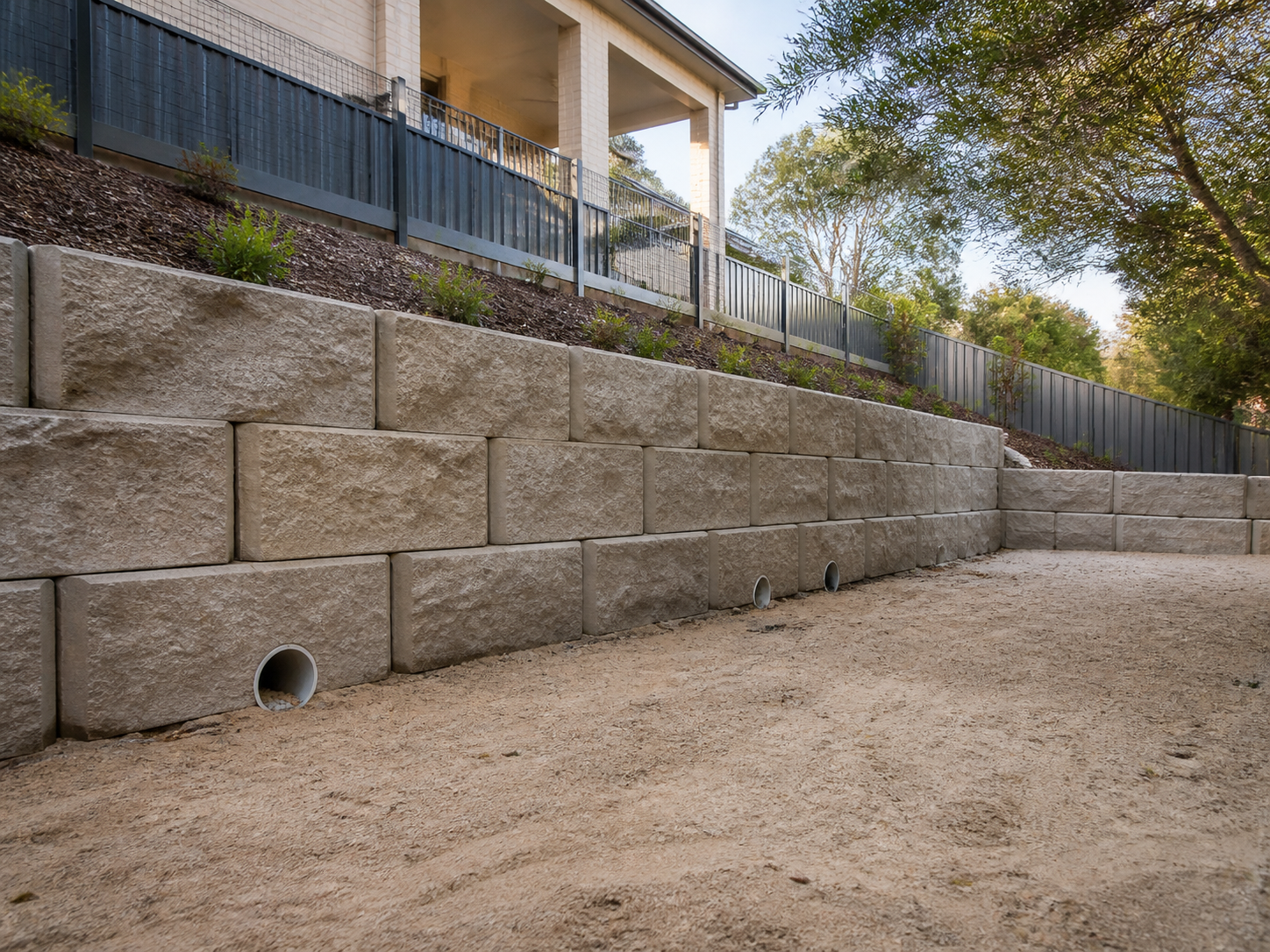
The planning controls may support development and the block may look large enough, yet invisible infrastructure can still change the entire project.
Stormwater, easements and services are among the most common reasons an early concept loses dwellings, needs expensive engineering or becomes unworkable.
Stormwater Needs a Legal and Practical Discharge Point
Water must be managed without creating unacceptable impacts on neighbours or public land. A site that falls away from the street may need additional infrastructure, an easement through another property or a more complex engineered solution.
Do not assume that a pipe shown nearby is available, suitable or approved for connection.
Easements Can Restrict the Building Area
An easement may protect drainage, sewer, access, electricity or another right. Its location and terms can affect foundations, driveway placement and the area available for buildings.
The title documents, deposited plan and survey should be read together. A line on a marketing plan is not enough.
Services Affect Design and Cost
Sewer, water, power, telecommunications and gas infrastructure can require setbacks, protection, relocation or authority approval. Older records may not perfectly match what is found on site.
Early investigations may include service searches, survey work, authority enquiries and advice from civil or hydraulic engineers.
Put the Constraints Into the Feasibility
Allow for realistic investigation, design and construction costs. Include a contingency where the exact solution is not yet known, and test whether the project still works if the expected yield falls.
TPC Takeaway
The cheapest time to discover an infrastructure problem is before the contract becomes unconditional.
Map the constraints early, obtain specialist advice and value the property based on the usable development area—not the headline land size.
General information only. Infrastructure records, authority requirements and site conditions vary. Obtain independent planning, engineering, legal, financial, tax and construction advice before purchasing or developing property.
Watch The Free Training
Watch the free Think Property Club training and learn how everyday Australians are using the wholesale property system to find, assess and structure high-profit property opportunities.
Watch the free masterclass →Frequently asked questions
What should investors know about Stormwater Needs a Legal and Practical Discharge Point?
Water must be managed without creating unacceptable impacts on neighbours or public land. A site that falls away from the street may need additional infrastructure, an easement through another property or a more complex engineered solution.
What should investors know about Easements Can Restrict the Building Area?
An easement may protect drainage, sewer, access, electricity or another right. Its location and terms can affect foundations, driveway placement and the area available for buildings.
What should investors know about Services Affect Design and Cost?
Sewer, water, power, telecommunications and gas infrastructure can require setbacks, protection, relocation or authority approval. Older records may not perfectly match what is found on site.
What should investors know about Put the Constraints Into the Feasibility?
Allow for realistic investigation, design and construction costs. Include a contingency where the exact solution is not yet known, and test whether the project still works if the expected yield falls.
What should investors know about TPC Takeaway?
The cheapest time to discover an infrastructure problem is before the contract becomes unconditional.
Rate this article
How useful did you find this article? 1 is poor and 5 is great.
Join the conversation
Your email address will not be published.
Loading comments…