Why Derelict Sydney Homes Are the New Goldmine for Smart Developers (Not Just Auction Bidders)
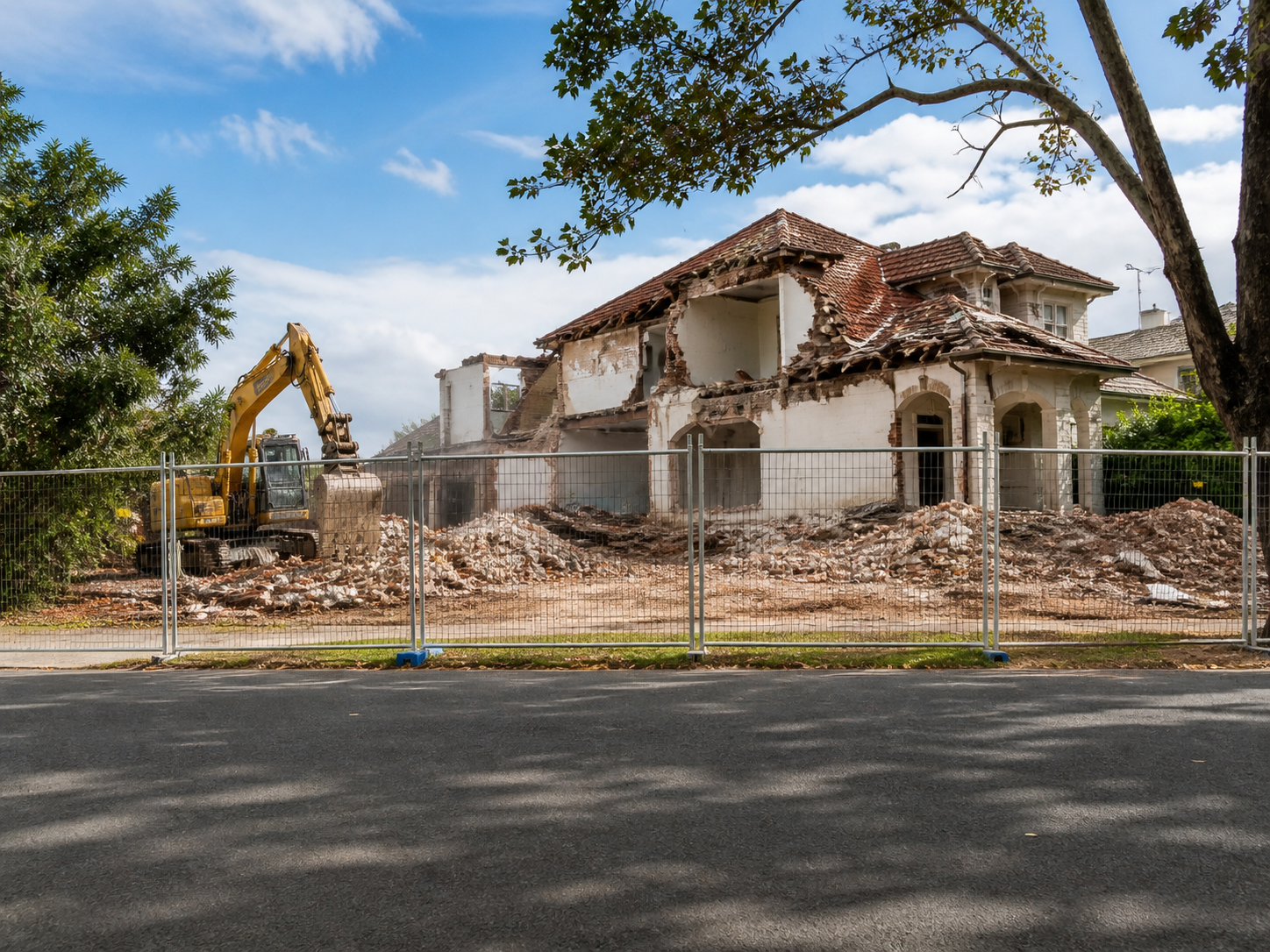
A derelict Sydney home with rotting floors recently sparked a developer frenzy before auction, proving that smart investors aren't just buying 'fixer-uppers'—they're building systematic development systems. This article breaks down the due diligence process, OPM strategies, and why this trend is reshaping how developers approach neglected properties.
Why Derelict Sydney Homes Are the New Goldmine for Smart Developers (Not Just Auction Bidders)
A derelict Sydney home with rotting floors recently sparked a developer frenzy before auction, drawing interest from investors who see beyond the surface-level decay. This isn't just another 'fixer-upper' trend—it's a strategic shift toward systematic development using Other People's Money (OPM) strategies. In this article, we break down why this trend is reshaping the property landscape and how you can apply these principles to your own development journey.
What this means for Australian property investors
Traditional investors often view derelict properties as risky, requiring significant personal capital and time. But savvy developers are flipping the script. They're using OPM strategies to fund renovations, avoiding the need for large personal deposits. This approach aligns with our '3 green ticks' framework: profit without loan, less work, and lightning quick results. For example, one of our students, Grace, transitioned from a full-time job to a stay-at-home mum by applying these strategies to a derelict property in Sydney's inner west. She secured a $50k deposit through a private lender, renovated the property, and sold it for a 25% profit within six months—without touching her personal savings.
Due-diligence checklist
Before bidding on a derelict property, thorough due diligence is non-negotiable. Here's a practical checklist based on our '12 Stages' framework:
- Structural assessment: Confirm the extent of damage (e.g., rotting floors) and estimate repair costs accurately.
- Zoning regulations: Verify if the property can be developed as intended (e.g., dual occupancy, renovation permits).
- Market demand: Research comparable sales in the area to gauge potential resale value.
- Renovation budget: Factor in hidden costs (e.g., asbestos removal, electrical upgrades) to avoid budget overruns.
- OPM sources: Identify potential investors or lenders before bidding to secure funding.
These steps ensure you're not just buying a property—you're building a scalable development system.
Risks and limitations
While derelict properties offer high potential, they come with unique risks. Structural issues can escalate costs, and market conditions may shift unexpectedly. However, these risks are mitigated through systematic planning. For instance, our 'Property Developer Success Blueprint' course teaches students to use a 'risk matrix' to evaluate opportunities before committing. This approach ensures that developers avoid the pitfalls of traditional investing, such as negative gearing or passive holding, which often lead to financial strain.
It's also important to note that OPM strategies require strong relationships and clear agreements. Miscommunication can derail deals, which is why our private Facebook community is a key asset for members. Here, students share templates, discuss challenges, and build trust with potential OPM partners.
Why this isn't just another trend
Unlike the 'housing downturn' discussed in recent market analyses, this trend is rooted in a systematic methodology. Developers aren't chasing short-term gains—they're building systems to generate consistent cashflow. For example, one of our students used a derelict property in Melbourne's inner suburbs to create a dual-occupancy development, securing a 12% annual return through rental income. This isn't about flipping; it's about creating scalable, cashflow-producing assets.
As the market evolves, the focus on OPM and due diligence will become even more critical. Our 'Cashflow Producing Property Strategies' course is designed to equip investors with these skills, emphasizing education over outcomes. We don't promise specific returns, but we do provide the tools to build a sustainable development practice.
Ready to apply these strategies to your own projects? Our '3-Day Bootcamp' offers hands-on training in OPM, due diligence, and community-driven development. Join our private Facebook group to connect with peers and access exclusive resources. Remember, the goal isn't to get rich quick—it's to build a system that works for you, your family, and your long-term financial goals.
General educational information only; seek independent legal, financial, tax and planning advice.
Sources
Frequently asked questions
Why are derelict properties attracting developers instead of traditional investors?
Developers see derelict properties as opportunities to apply systematic development strategies using OPM (Other People's Money), rather than relying on personal capital. This approach reduces risk and aligns with the '3 green ticks' framework: profit without loan, less work, and lightning quick results.
What due diligence steps should I take before bidding on a derelict property?
Conduct a structural assessment, verify zoning regulations, assess market demand for renovations, calculate renovation costs accurately, and confirm access to OPM sources. These steps form the foundation of a successful development strategy.
How can I use OPM strategies to fund derelict property development without large personal capital?
OPM strategies involve leveraging investor networks, private lending, and structured partnerships. Our 'Cashflow Producing Property Strategies' course teaches how to build these relationships and structure deals without requiring large personal deposits.
Is this trend sustainable in the current market?
Yes, when approached systematically. The focus on due diligence, OPM, and community support ensures that developers avoid the pitfalls of traditional 'buy and hold' investing. This method is designed to scale and adapt to market conditions.
How does Think Property Club's methodology differ from traditional property investment advice?
We emphasize a structured '12 Stages' framework for development, community-driven learning (via our private Facebook group), and education over outcomes. Unlike traditional advice, we don't promise specific returns but provide actionable strategies to build scalable systems.
Rate this article
How useful did you find this article? 1 is poor and 5 is great.
Join the conversation
Your email address will not be published.
Loading comments…