

Victoria’s Mid-Rise Code became operational on 16 April 2026 for apartment developments between four and six storeys. It is designed to improve certainty where proposals meet the standards, but developers still need to prove that a compliant envelope produces saleable apartments at an acceptable cost.
What the code changes
The controls address matters including room dimensions, setbacks, daylight, private open space, landscaping and tree canopy. The removal of the old “wedding cake” massing effect may improve structural and floorplate efficiency on some sites.
The six-part site test
- Map the applicable zone, overlays and exact code pathway.
- Sketch setbacks before relying on the headline height.
- Test apartment depth, daylight and circulation efficiency.
- Allow for tree canopy, deep soil and usable communal areas.
- Check vehicle, waste, fire and service access early.
- Benchmark the finished product against local buyer depth.
Height is not yield
A six-storey opportunity can lose area to setbacks, cores, ramps, services and articulation. Ask the architect for net saleable area and efficiency ratios, then have the quantity surveyor cost the actual scheme—not a gross floor-area fantasy.
Watch the transition rules
Confirm which controls apply to the application and whether any site-specific provision changes the default standard. Written planning advice should sit behind the acquisition assumption.
TPC deal lens
The better opportunity may be a simple, repeatable mid-rise building on a regular block near transport—not the site with the loudest height claim. Buy design efficiency, planning certainty and local demand together.
Sources and image attribution
- Victoria Planning — Mid-Rise Code
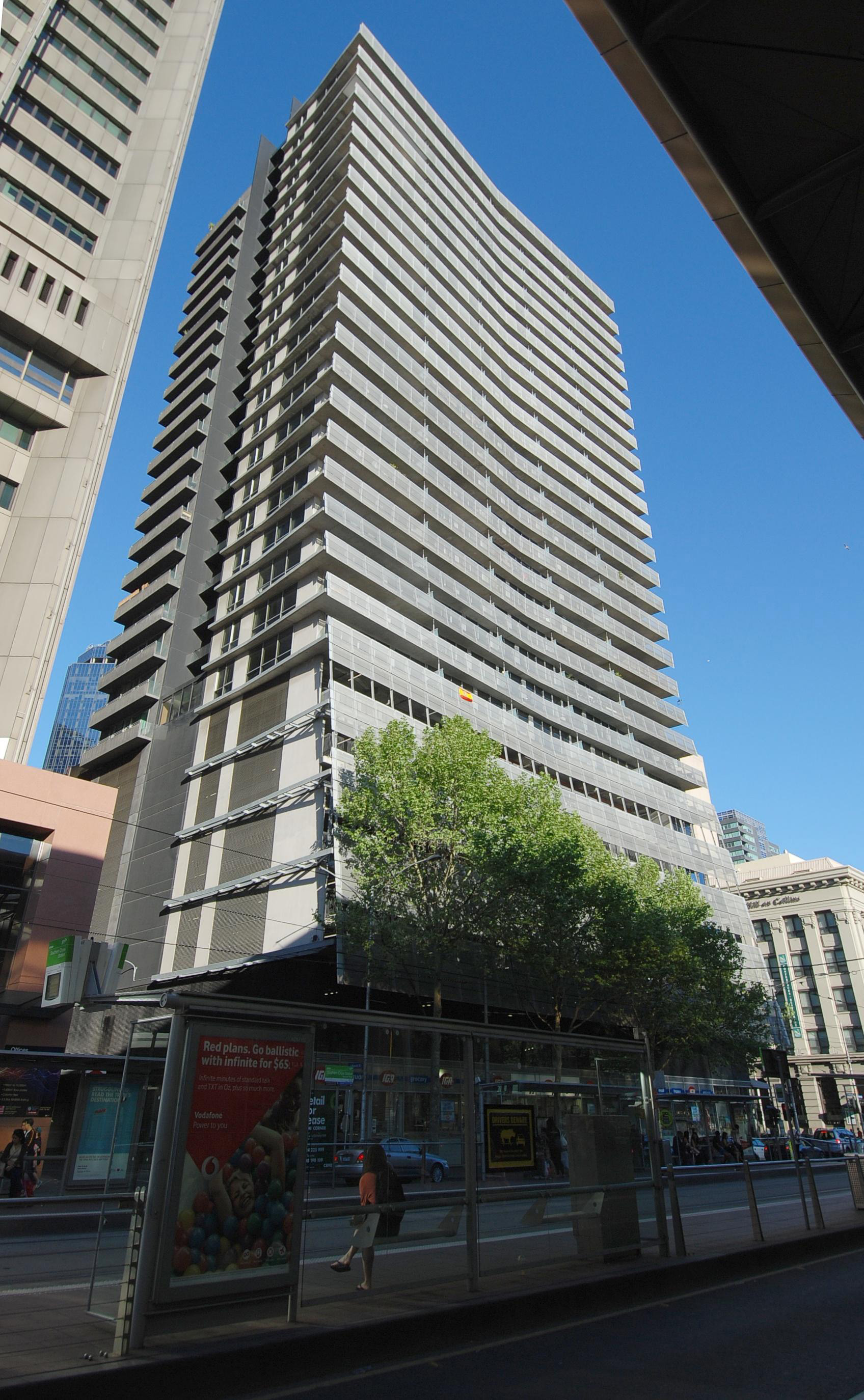
- Feature photo: Elekhh, Wikimedia Commons, CC BY-SA 3.0. Cropped for presentation; licence retained.
This article is general property education, not financial, legal, planning or building advice. Verify current rules and obtain qualified advice for the specific site.
Watch The Free Training
Learn the practical framework Jason and Amy use to assess property opportunities, risk and feasibility.
Register for Webinar Jam →Frequently asked questions
What should investors know about What the code changes?
The controls address matters including room dimensions, setbacks, daylight, private open space, landscaping and tree canopy. The removal of the old “wedding cake” massing effect may improve structural and floorplate efficiency on some sites.
What should investors know about The six-part site test Map the applicable zone, overlays and exact code pathway. Sketch setbacks before relying on the headline height. Test apartment depth, daylight and circulation efficiency. Allow for tree canopy, deep soil and usable communal areas. Check vehicle, waste, fire and service access early. Benchmark the finished product against local buyer depth. Height is not yield?
A six-storey opportunity can lose area to setbacks, cores, ramps, services and articulation. Ask the architect for net saleable area and efficiency ratios, then have the quantity surveyor cost the actual scheme—not a gross floor-area fantasy.
What should investors know about TPC deal lens?
The better opportunity may be a simple, repeatable mid-rise building on a regular block near transport—not the site with the loudest height claim. Buy design efficiency, planning certainty and local demand together.
What checks should be completed before acting on Victoria’s Mid-Rise Code Is Live: The Six-Storey Site Test Developers Should Run First?
Confirm the facts with current documents, conservative figures and relevant qualified advisers. Requirements can vary by lender, council, state and individual property.
Should investors get professional advice about Victoria’s Mid-Rise Code Is Live: The Six-Storey Site Test Developers Should Run First?
Yes. This article is general education, so legal, tax, finance, planning or building questions should be checked with appropriately qualified professionals before acting.
Rate this article
How useful did you find this article? 1 is poor and 5 is great.
Join the conversation
Your email address will not be published.
Loading comments…